

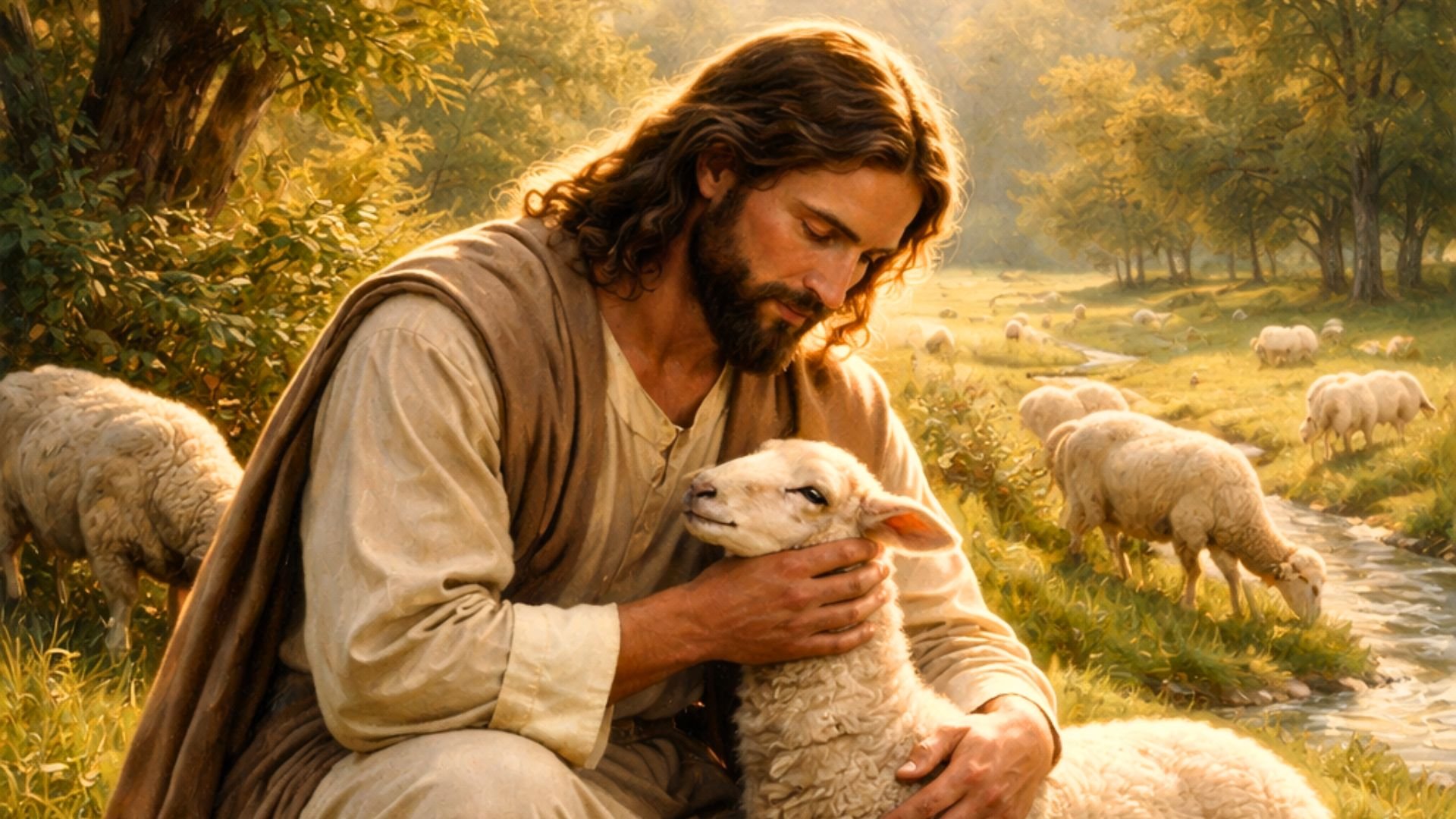
“Blessed are the merciful, for they shall be shown mercy.” - Matt 5:7
“Judge not, that you be not judged. For with the judgment you pronounce you will be judged, and with the measure you use it will be measured to you.” - Matt 7:1
Our Lord - Majestic and Mighty, yet Meek and Merciful
“Come to me, all who labor and are heavy laden, and I will give you rest. Take my yoke upon you, and learn from me, for I am gentle and lowly in heart, and you will find rest for your souls. For my yoke is easy, and my burden is light.” - Matt 11:28-30
In these words of Jesus Christ, we catch a glimpse of the gentle and humble mercy of God the Almighty. He who is perfect and sinless, yet loves the sinner and is gracious toward even his enemies. We remember a few of his last words before dying on the cross, “Father forgive them for they know not what they do.” - Luke 23:34
He is fulfilling the very thing he had preached in the sermon on the mount: “But I say to you, Love your enemies and pray for those who persecute you, so that you may be sons of your Father who is in heaven. For he makes his sun rise on the evil and on the good, and sends rain on the just and on the unjust. For if you love those who love you, what reward do you have? Do not even the tax collectors do the same? And if you greet only your brothers, what more are you doing than others? Do not even the Gentiles do the same? You therefore must be perfect, as your heavenly Father is perfect.” - Matt 6:44-48
We see the only one who has the right to judge and hold offense, doing just the opposite. He intercedes for his enemies and lays down his life to save them rather than condemn and destroy them.
Why is He this way, and why - at times - are we not?
The Source
As believers living on this planet and surrounded by life’s cares and culture, it can be easy to lose sight of the most simple yet profound truths and attitudes that should mark exactly who, and what, we are. To understand who and what we are (or ought to be) we must first understand who and what HE is. The He whom I speak of is the King of the universe, Lord of heaven and earth. He is the source of all life and light, and everything that is good. Outside of His light and His goodness we find no other source for that which truly sustains and blesses. Every other source brings either vain emptiness or decaying corruption. If you do not want vain emptiness or decaying corruption for yourself, there really is no other option than to turn to Him from whom all good things come, the sustainer and upholder of life, described in one simple yet profound word: Love.
1 John 4:8 - “Anyone who does not love does not know God, because God is love.”
1 John 4:16 - “So we have come to know and to believe the love that God has for us. God is love, and whoever abides in love abides in God, and God abides in him.”
We must understand that when He spoke light into existence (Genesis 1), and then proceeded to speak every single other thing into existence, it was through the power of His very essence. His essence is to love, and as Creator, this entails creating all things through His loving intent and purpose, and sustaining their continued existence through his nurturing and benevolent power. When the devil and mankind turned their own way in opposition to this power, what followed was death, decay and corruption which continue to this day. Thanks be to God, that His love is so boundless and powerful that it loves even enemies and sacrifices itself, even through pain of death, to reconcile that which was lost to corruption. If we wish to be part of the light, and that which brings life, we must turn back to him (which we can do, thanks to his open invitation to all who would come and drink from the waters of life). When one turns back to Him, that one will become more and more like Him, and when we are more like Him, we participate in His very essence of light and love to the world around us.
In Scripture we find clues about who God is and what He is like. We find He differs from the pattern we see in the world of corrupt humans who are cruel, unforgiving and selfish. People compare themselves with each other to justify themselves in their own corruption, and think themselves better than each other in pride, boasting and arrogance. Even if these traits do not manifest so clearly as to draw attention, sometimes these traits lurk deeper within the hearts of men and women who are unaware of their own lack of love, joy and peace. They live life in the cookie-cutter fashion they expect of themselves and others, and maintain a passive self-sufficiency and self-righteousness, while not realizing their unseen pride blinds them from just how short they fall from God’s goodness and love. Even when they notice their own shortcomings, they dodge and downplay these shortcomings while highlighting the shortcomings of others. This is a form of hypocrisy. Then there are those who try to get by with what is expected of them from others (at least outwardly), all the while seeking to satisfy earthly desires and selfish ambitions of varying kinds. They do what’s necessary to please others to get the responses they need or desire, and spend their remaining effort to gratify their earthly goals and pleasures.
Does any of this remind you of someone you know? Does any of it remind you of yourself? There are perhaps other versions and categories of earthly attitudes outside of God’s goodness, but certainly we’ve all had one or more of these traits at some point in our lives, and if not these, then perhaps other examples that could be added to this list. This is not to bring condemnation, but conviction from the Holy Spirit. If you are His child and know it, then seek to be like your Father in heaven.
This also is not to say that there is no goodness at all to be seen among the children of men. After all, God made man in His own image, and that image is good. The problem is that the good image has been mixed and tainted with decay and corruption. The goodness has become compromised and can only be fully recovered and healed by the power of the source Himself.
So how can we return to this One who is the source of all life and goodness, so that we can be free from our corrupting human ways and attitudes? He has made a way of reconciliation. He has pursued those who were in opposition to his essence, to bring them back through mercy, grace, and boundless love.
As believers, in theory, we should know these basic foundational truths. However, we sometimes forget who we are when surrounded by the things of this tainted world. We see and follow the examples of people and the culture around us, or maybe actors and actresses in our favorite shows and movies. Without realizing it, we forget who we are truly aiming to imitate. So we become religious in some ways, and worldly in others. Religious in those things that are easy to manage in our behaviours or according to our personality bents, and worldly in the things that so often are hard, yet they are the things that truly matter - the things that are simple yet profound. The highest priority commands of God are to love him with all our being and strength, and to love our neighbor as much as ourselves. (Matt 22:36-40)
The bottom line is this: if you harbor ill will and retribution towards someone, you aren’t loving your neighbor as yourself. Rather than desiring good and benefit for another, you wish harm, judgement or retribution upon them. When you are in this mode of being, you are simply walking in decay and corruption, rather than in God’s healing light. You may think you have good reason, but remember that you don’t have as much reason as God in that sentiment. If He, as the only just judge, does not wish for sinners to perish, but rather to heal them and bring them back to Him, we as fellow sinners should surely follow His example and show mercy to our brothers and sisters - yes, and even hostile enemies.
“Put on then, as God’s chosen ones, holy and beloved, compassionate hearts, kindness, humility, meekness, and patience, bearing with one another and, if one has a complaint against another, forgiving each other; as the Lord has forgiven you, so you also must forgive. And above all these put on love, which binds everything together in perfect harmony” - Colossians 3:12-14
The Unforgiving Servant
Read Matthew 18:21-35 (parable of the unforgiving servant)
If you identify with the unforgiving servant in the parable referenced above, yet you desperately want to be able to love and forgive others, you must get to the root of the matter.
What is the opposite of meekness, humility and mercy? Well that would be pride, unforgiveness and judgement. Just as mercy comes hand in hand with humility, so unforgiveness and a critical spirit ride the coattails of pride. Perhaps it is worth noting that when you haven’t received love, it’s hard to give it. When all you know is pain and darkness, how are you supposed to produce healing and light for others?
However, being hurt doesn't mean you have to replicate hurt to others. Jesus himself suffered greatly both physically and emotionally. He was misunderstood, rejected, falsely accused, betrayed and abandoned by friends at the worst hour. Then He was beaten, slandered, had His beard ripped out, was whipped and crucified on the cross while being mocked. During all this He, the only truly innocent person to ever live, did not pray curses upon His enemies, or wish them harm in return. Instead, He made intercession on their behalf. He did not change his mind and come off the cross to cast lighting upon His foes. Instead, He continued being the sacrifice that ironically became salvation and redemption for his persecutors. You see, His pain was turned into something beautiful and redemptive. How was He able to humbly endure, and repay evil with good? Are you able?
At the end of the day, it’s hard to pinpoint exactly what causes each person to hold on to bitterness and darkness. However, what is necessary for forgiveness are two simple yet profound things: Faith and Love.
First, you must understand that there is a flat out ultimatum to forgive (Matt 6:14-16). The consequence for not forgiving is actually to not be forgiven of your own trespasses. The consequence for measuring out judgement is to be likewise judged. If you want to be forgiven, and for your sentence of judgement to be erased, then don’t desire the opposite for someone else. That is essentially bringing us back to the command “Love your neighbor as yourself.” Can you imagine yourself in their shoes, as if the wrongs that had been committed by them were somehow carried out by you instead, and what mercy you would hope to receive if you were in that position? This empathy and compassion has love at its source. Love, as we have stated, is the very essence of who God is. When you do not love, you are still stumbling in the darkness yourself. (1 John 2:9-11)
Now there is another element beyond love that is necessary - faith. If you neither believe in God nor the love and forgiveness He has offered to you, then you haven’t received it. If you haven’t received love and forgiveness for yourself, how are you to give it to others? We can only love, because He first loved us. (1 John 4:19)
Finally it takes humility to admit that we actually need his love and forgiveness. Have you stopped to think about this? If you find it hard for yourself to let go of other peoples’ faults, have you asked yourself what your position is concerning the accusations of the devil against you personally? Indeed the devil accuses believers night and day before the throne of God, and he has a whole long list against you. How will your own list against others be taken into consideration when that list is handed to the judge in the middle of your own prosecution? Do you think your lack of mercy will help your own defense against your accuser?
Now if you think you have nothing to worry about, because in self-righteousness you think yourself to be quite nearly perfect compared to others, I plead with you by the love of Christ to open your heart and eyes to the blindness caused by pride. It takes humility to recognize your need for forgiveness and mercy. Without that humility you will never receive nor give the forgiveness required of you.
“He who is forgiven little loves little” - Luke 7:47
Verses for Further Contemplation:
- Matt 18:21-22 (how many times should we forgive?)
- Luke 18:9-14 (the Pharisees and the Tax Collector)
- Eph 4:2 (humble, patient, bear with one another)
- Micah 6:8 (walk humbly/love mercy)
- James 4:6/1 Peter 5:5 (God opposes the proud/shows favor to the humble)
- Philippians 2:3-4 (do nothing from rivalry or conceit… count others more significant…”)
- 2 Corinthians 5:11-21 (the ministry of being reconciled to Christ)
Final Questions:
1. Based on the verses above - have you caught a glimpse of God’s heart and purpose?
2. Have you realized and recognized your own need for healing and forgiveness?
4. Thinking upon God’s requirement for us to forgive, can we imagine what it would be like for God to not forgive you? Does that unlock anything for you?
5. Do you ever make the excuse that you are just human, and therefore it’s ok to not love or forgive to the degree that God does? Based on the Scriptures mentioned, do you see how this argument is unacceptable?
5. Do you wish to participate in the work of God’s reconciliation as His ambassador?
6. Do you want God to oppose you or give you grace?
Conclusion:
As we have seen while reading the Scripture, the high and almighty God delights in dwelling with humble people who recognize their need for Him. He opposes the proud and does not justify the self-righteous, but rather the one who humbly admits their sin. He forgives the sinner who repents, and only requires that the sinner offers forgiveness to their fellow sinners. Our accuser tirelessly accuses the brethren, while Jesus intercedes on their behalf and goes after the wandering sheep to redeem them. We see that there is one source of life and light, and His very essence is love itself.
It is important to note that with all this mercy we do not excuse sin or condone participation in sinful activities. Rather, we must at times expose it for what it is and admonish one another to turn from these sins in a spirit of humility and gentleness. Our overall goal should be redemption and love if we wish to participate in God’s purpose and heart.
As His children, are we participating as lightbringers and ambassadors of reconciliation, or are we participating in the enemy’s work to bring division and tear down relationships?
Let us participate in the work of love and light, and overcome evil with good. That is essentially the true battle being waged. Will we stumble in the darkness as pawns of the enemy, or walk in God’s power, as a conduit for His love and light?
Romans 12:21 - Do not be overcome by evil, but overcome evil with good.
Unless otherwise noted, all verses quoted are from ESV by Crossway